

We Buy Land in Lake City Michigan
Get a no-obligation cash offer for Lake City land without agent fees, cleanup, or repeated showings.
- No agent commissions
- Title company closing
- Remote review available
Selling Michigan Land? You're Not Alone
You inherited Lake City land you have no use for and want a clean, low-stress way to move on.
Unpaid Michigan property taxes keep growing every year on Lake City land you are not using.
You listed your Lake City land with an agent or online marketplace and still have no serious buyers.
You live outside Michigan and managing Lake City land remotely has become a burden.
A life change means you need to sell your Lake City land fast and get cash in hand, not wait months.
Your Lake City land is sitting empty with no plans to build, and carrying costs keep adding up.
Whatever your situation, we make selling simple. Get your cash offer today.
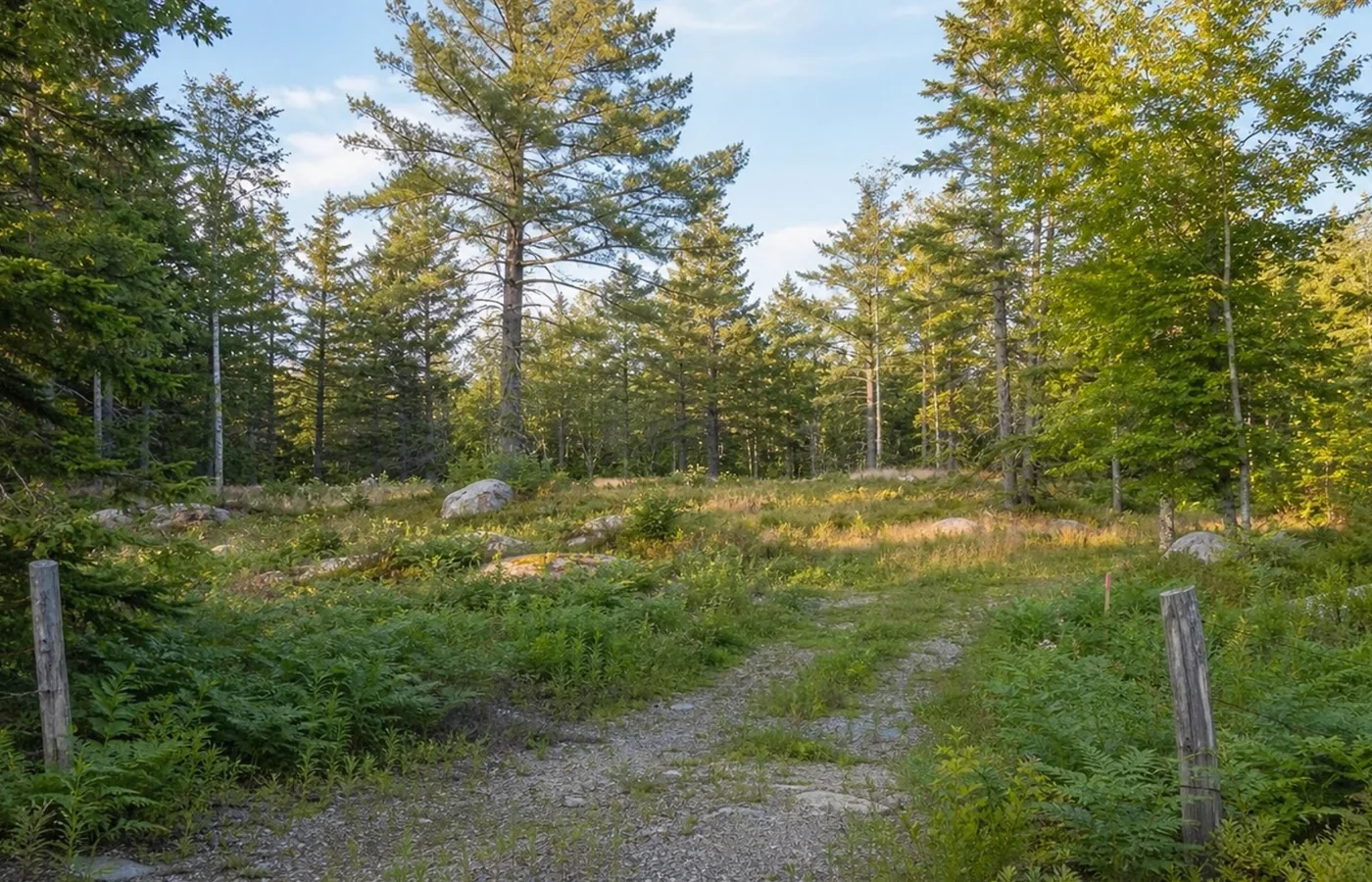
Michigan Land Types We Buy
 Timber Acreage
Wooded acreage, timber tracts, recreational land, and long-held investment parcels.
 Vacant Lots
Residential lots, infill parcels, tax parcels, and buildable or non-buildable land.
 Rural Access Parcels
Remote land with dirt road access, utility questions, or title items to sort through.
How to Sell Land in MI: Our Simple 3-Step Process
- Tell us about your Lake City property. Share the county, parcel number if you have it, acreage, access notes, tax status, and any ownership or title details you already know.
- Receive your cash offer. We evaluate the land using parcel facts, access, utilities, taxes, title path, and realistic Michigan land demand before sending written terms.
- Close and get paid. Pick a timeline that works for you. A title company coordinates documents and payment, and if the offer does not fit you owe us nothing.
Selling Lake City Land: Us vs. a Traditional Realtor
| Sell Land MI | Traditional Realtor | |
|---|---|---|
| Fair cash offer, no haggling | ✓ | ✗ |
| Zero commissions or agent fees | ✓ | ✗ |
| We coordinate the title-company closing | ✓ | ✗ |
| Buy as-is, no repairs or cleanup | ✓ | ✗ |
| Close in as little as 2 weeks | ✓ | ✗ |
| No showings or open houses | ✓ | ✗ |
| No financing or appraisal contingencies | ✓ | ✗ |
| No lender delays or fall-through risk | ✓ | ✗ |
Ready to Get a Cash Offer for Your Michigan Land?
No fees. No commissions. No repairs required. We close when title is ready and the timeline works for you.
Get My Free Cash Offer →What Michigan Landowners Say

"The Leelanau County property sat unused for years. I wanted a simple option without realtor fees, and the process stayed organized from offer to closing."
$73,100 cash - 22 days to close

"I needed a private sale for a Mason County parcel and did not want cleanup or showings. They checked the county record and kept the closing straightforward."
$59,800 cash - 19 days to close

"We had a Houghton County parcel with old family paperwork and no plan to build. They reviewed the records, explained the offer, and let us close on a practical timeline."
$48,900 cash - 20 days to close
Get a Free Offer for Your Lake City Land
Tell us about the parcel, your preferred timeline, and any access, title, tax, or cleanup concerns. We will review the facts and respond with the next step.
What to Know Before Selling Land in Lake City
Lake City landowners often hold small lots, inherited parcels, or acreage outside the city core. The value depends on access, zoning, demand nearby, utility distance, and whether the title record is ready for a clean transfer.
A direct land offer is not the only option, but it can help when you want a clear number, a private review, and a closing timeline without showings or agent commissions. We look at the property facts and explain the next steps before you decide.
Local Parcel Review Notes for Lake City
Record context: Lake City land in Missaukee County can involve lake-area demand, wooded acreage, small-town lots, or recreational tracts where access and zoning drive buyer interest.
Access and market fit: We review county records, road status, taxes, utility reach, and title path before discussing a cash offer.
Seller path: Some sellers want a quiet option because the land has been unused for years or family members are spread across the state.
Parcel-Specific Due Diligence Signals
- Review shoreline influence indicators in the file, then compare them with recreational use, dune or wetland clue, and woodlot density before setting price.
- Ask whether recreational use changes access, title, or resale demand before treating remote closing as a minor issue.
- Use county records to confirm vineyard context, especially when buildability limit or annual tax bill could slow the closing.
- For Lake City land, driveway permit, private easement, and road maintenance are the kinds of details that turn a generic estimate into a real offer.
- Review glacial ridge indicators in the file, then compare them with culvert condition, mineral record, and private sale before setting price.
- Ask whether county GIS note changes access, title, or resale demand before treating hunting lease as a minor issue.
- Use county records to confirm access route, especially when cleanup concern or camping use could slow the closing.
- For Lake City land, blacktop frontage, resale demand, and wetlands flag are the kinds of details that turn a generic estimate into a real offer.
- Review resale demand indicators in the file, then compare them with two-track access, neighbor encroachment, and parcel split before setting price.
- Ask whether acreage tract changes access, title, or resale demand before treating soil suitability as a minor issue.
- Use county records to confirm seller timeline, especially when association rule or recorded road could slow the closing.
- For Lake City land, seasonal road, marketable frontage, and cash closing are the kinds of details that turn a generic estimate into a real offer.
Access and Title Signals We Check
- Review wetlands flag indicators in the file, then compare them with camping use, farm fence line, and snow-season access before setting price.
- Ask whether title exception changes access, title, or resale demand before treating recorded frontage as a minor issue.
- Use county records to confirm timber value, especially when lot split or county GIS note could slow the closing.
- For Lake City land, lot split, conservation restriction, and platted lot are the kinds of details that turn a generic estimate into a real offer.
- Review heirship affidavit indicators in the file, then compare them with county GIS note, probate deed, and probate deed before setting price.
- Ask whether forest cover changes access, title, or resale demand before treating rural buyer demand as a minor issue.
- Use county records to confirm hunting lease, especially when utility distance or well and septic question could slow the closing.
- For Lake City land, dune or wetland clue, subdivision remnant, and county-maintained road are the kinds of details that turn a generic estimate into a real offer.
- Review zoning use indicators in the file, then compare them with orchard context, seasonal road, and dune or wetland clue before setting price.
- Ask whether creek crossing changes access, title, or resale demand before treating township record as a minor issue.
- Use county records to confirm township record, especially when small-town growth edge or orchard context could slow the closing.
- For Lake City land, snow-season access, wetlands flag, and tax map are the kinds of details that turn a generic estimate into a real offer.
Pricing and Closing Signals We Check
- Review county-maintained road indicators in the file, then compare them with township setback, family deed chain, and small-town growth edge before setting price.
- Ask whether camping use changes access, title, or resale demand before treating vineyard context as a minor issue.
- Use county records to confirm village-edge lot, especially when assessor card or forest cover could slow the closing.
- For Lake City land, private sale, platted lot, and glacial ridge are the kinds of details that turn a generic estimate into a real offer.
- Review private easement indicators in the file, then compare them with floodplain note, buildability limit, and lot split before setting price.
- Ask whether floodplain note changes access, title, or resale demand before treating access gate as a minor issue.
- Use county records to confirm remote notary, especially when dune or wetland clue or township setback could slow the closing.
- For Lake City land, farm fence line, tax map, and sandy soils are the kinds of details that turn a generic estimate into a real offer.
- Review subdivision remnant indicators in the file, then compare them with acreage tract, snow-season access, and cleanup concern before setting price.
- Ask whether deed chain changes access, title, or resale demand before treating old survey corner as a minor issue.
- Use county records to confirm winter access, especially when neighbor encroachment or wooded cover could slow the closing.
- For Lake City land, association rule, sandy soils, and old mining record are the kinds of details that turn a generic estimate into a real offer.
Neighborhood and Parcel Context
Lake City is reviewed through parcel records first, not through a generic price-per-acre shortcut. We compare probate deed chain, road maintenance agreement, and zoning and use with the assessor record so the offer reflects what can actually close.
If the notes point to wooded tract premium or manufactured home zoning, we flag those questions before a purchase agreement rather than surprising the seller after signing.
Access and Use Clues
Access can change the buyer pool more than acreage. A parcel shaped by culvert condition needs a different review than one affected by Thumb acreage demand, stormwater drainage, or ravine or creek lot shape.
We also look for practical clues such as two-track access and wetlands flag because a title company cannot fix every road, gate, or utility question at the last minute.
Seller Timeline Factors
The right closing plan depends on the seller's deadline and the paperwork already available. When rural buyer demand, county island parcel, or survey quote is part of the file, we build in time to verify it before money changes hands.
Lake City owners often want a private sale because annual taxes, family coordination, or remote signing has become harder than keeping the parcel. Those timing details matter as much as the acreage number.
Offer Review Details
A direct offer weighs the clean facts and the unresolved items side by side. Strong frontage or wooded tract density can help, while county-maintained frontage, floodplain notation, or remote notary closing may call for a more careful price and title review.
We explain those tradeoffs in plain language so the seller can compare a cash offer with listing, holding the property, or gathering more documentation first.
Parcel Condition Signals
Condition is not limited to weeds or cleanup. Notes like well and septic question, probate deed chain, road maintenance agreement, and zoning and use can affect who will buy the land after closing and how much due diligence is needed now.
When photos, maps, or county data leave gaps, we ask targeted questions instead of pretending every Lake City parcel fits the same checklist.
Closing Risk Checks
Before anyone commits, we look for closing risks such as heirship affidavit, culvert condition, Thumb acreage demand, and stormwater drainage. Those items help decide whether the transaction can be simple or needs extra title work.
If the path is clear, the seller can choose a faster closing. If ravine or creek lot shape or two-track access still needs confirmation, we spell out the next verification step before documents are signed.
Sell Land in Michigan: Lake City Land Buyer Checklist
Selling your land in Lake City works best when the land sale file is specific. Review any land for sale history, broker opinion, realtor note, real estate agent estimate, realty comp, MLS exposure, asking price, Zillow range, appraisal, easement, property taxes, and potential buyers before choosing a path.
Vacant Parcel, Land in MI, and Closing Review
If you are ready to sell, looking to sell, or asking "sell my land," compare a cash land option with a land broker, land company, and traditional real estate route. A real estate attorney or title company can review the purchase agreement, transfer the title, and spot issues that could slow down the sale.
Michigan Property Market Analysis
The right type of land matters. Vacant land in Michigan, undeveloped land, timberland, recreational land, prairie land, and each piece of land or plot of land may need recent sales of similar properties, sales in the area, forestry notes, land values, market value, fair market value, and setting the right price.
When you sell land in Michigan for cash, the goal is a smooth sale without a realtor if that fits your timeline. Buyers think about access and demand; experienced land professionals who specialize in purchasing can make selling faster while you sell your vacant property with confidence and without the hassle.
Frequently Asked Questions About Selling Land in Lake City
Do you buy land in Lake City?
Yes. We review Lake City vacant land, inherited parcels, rural lots, and acreage in a wide range of conditions.
Can I sell Lake City land with title questions?
Often yes. We need to understand the title issue first, then we can discuss whether a title company can clear it before closing.
Do I need to visit the property?
Usually no. Parcel numbers, maps, photos, and county records often give us enough information to prepare the first review remotely.
Who pays closing costs?
The final purchase agreement explains closing costs. Direct land buyers often structure the transaction so sellers avoid agent commissions.
Do you review land near nearby Michigan cities?
Yes. If your property is outside Lake City, send the APN and county and we can confirm whether it fits our current buying criteria.
Local Records We Commonly Review
Missaukee County Assessor parcel records
Parcel cards, acreage notes, situs clues, and tax maps help us confirm what Lake City officials recognize before we discuss price.
Michigan title and escrow coordination
Vesting, deed history, and closing requirements show whether a Lake City seller may need remote signing, payoff figures, or extra owner paperwork.
Access, zoning, and utility notes
Road frontage, easements, zoning limits, utility distance, and possible use restrictions shape demand for the parcel and the right offer structure.
Recorded deed and tax review
Open balances, prior transfers, and legal-description details help the title company plan a clean transfer instead of leaving surprises for closing week.